


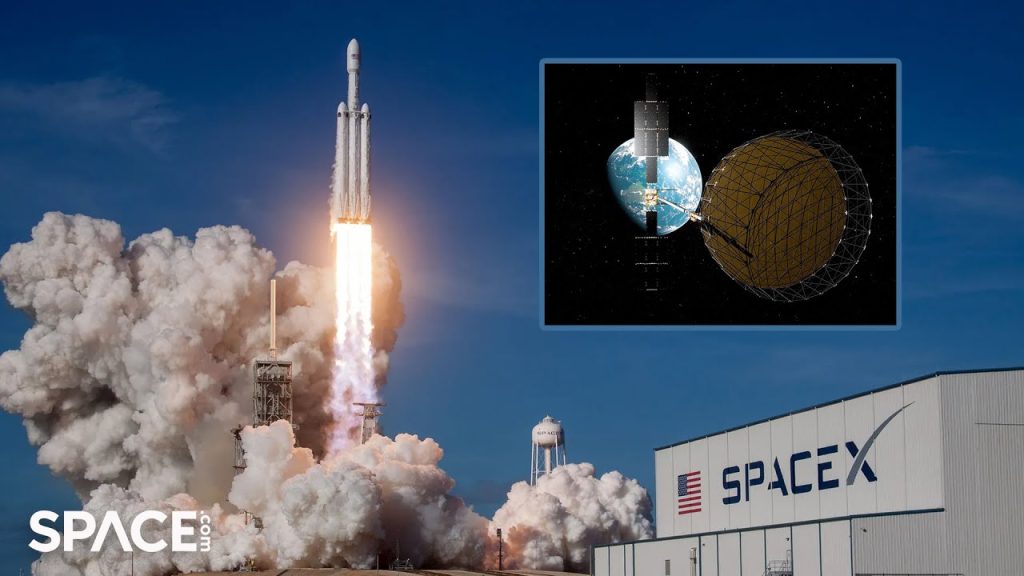
SpaceX is moving at a pace the space industry has never seen before. On April 26, 2026, the company notched its 50th launch of the year, lifting 25 Starlink satellites into orbit from California on a Falcon 9 rocket. At this rate, SpaceX is on course to complete well over 100 missions before the year is out — a figure that would have seemed impossible just a decade ago.
The milestone comes as the company prepares for the return of an even more powerful vehicle. The Falcon Heavy, SpaceX’s heavy-lift workhorse, is gearing up for its first flight in over 18 months after weather scrubbed an attempt on April 27. The mission will carry the final ViaSat-3 communications satellite into geostationary orbit — a payload so large only the Falcon Heavy can handle it.
What Makes This Moment Special
The Falcon Heavy is SpaceX’s most powerful operational rocket, generating roughly 5 million pounds of thrust at liftoff. Its twin booster landings — when both side cores return to Earth simultaneously — remain one of the most spectacular sights in modern aerospace. This upcoming mission will mark only the 12th flight in the Falcon Heavy’s history, and SpaceX plans to recover both side boosters at Cape Canaveral.
Meanwhile, the Starlink constellation continues to grow at a staggering rate. SpaceX surpassed 10,000 active satellites in orbit in March 2026 — a milestone that cements Starlink’s position as the world’s largest satellite internet provider. The network now faces fresh competition from Amazon’s Project Kuiper, which launched its first operational satellites in late April 2026, signalling that the battle for low-Earth-orbit broadband is officially heating up.
What’s Coming Next for SpaceX
The Falcon Heavy’s to-do list for 2026 is ambitious. After the ViaSat-3 mission, the rocket is expected to send Astrobotic’s Griffin-1 uncrewed lunar lander to the Moon in July. NASA’s Nancy Grace Roman Space Telescope is also on the schedule. Beyond Falcon Heavy, SpaceX continues to develop Starship — its fully reusable super-heavy vehicle — with orbital test flights still ongoing as the company pushes toward its goal of making humanity multiplanetary.
For investors and space enthusiasts alike, SpaceX’s breakneck cadence in 2026 is a clear signal: the commercial space race is no longer a distant dream. It is happening right now, launch by launch.